Espresso Martini Recipe: Measurements and Better Foam
Jump to recipe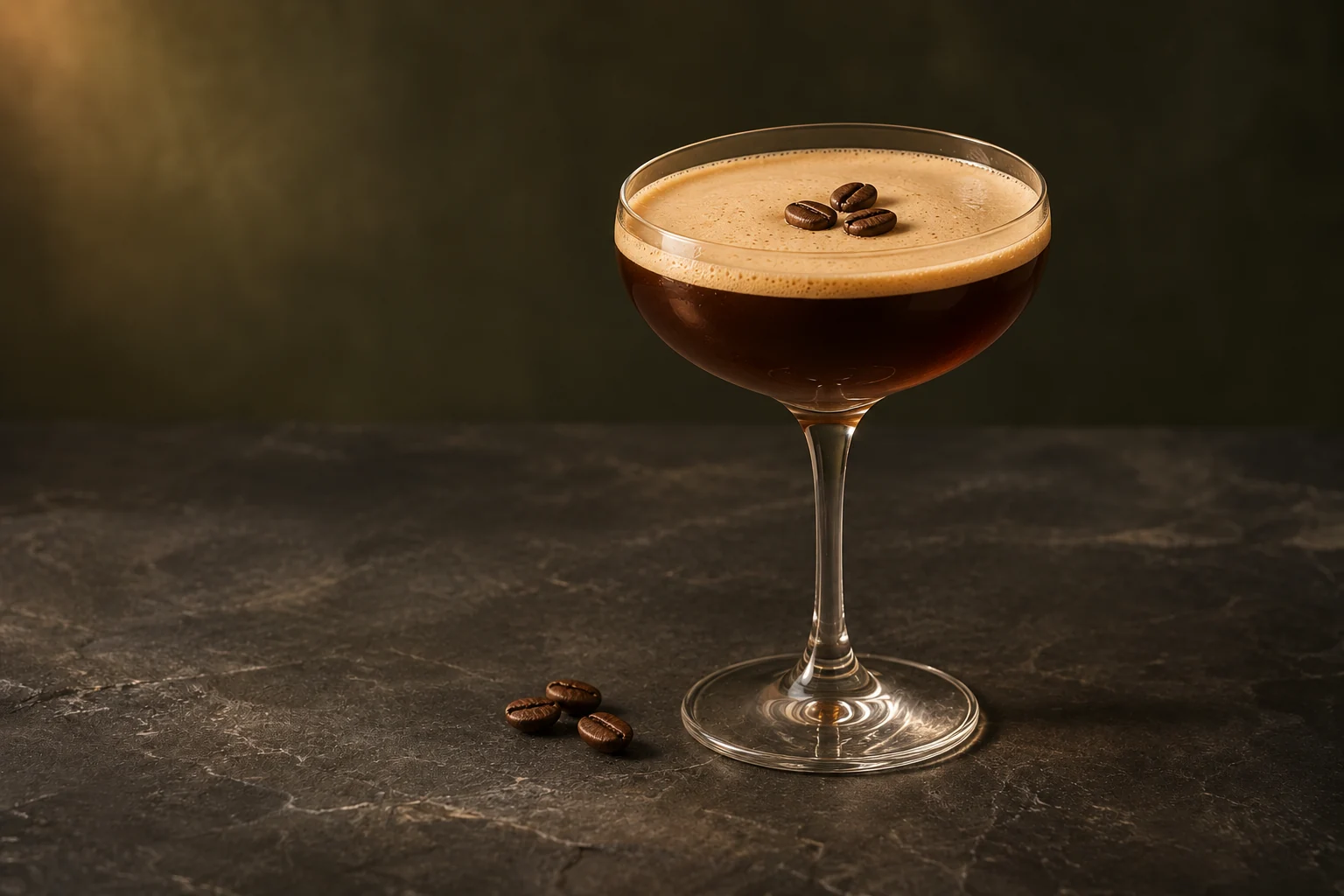
An Espresso Martini combines vodka, coffee liqueur, espresso and a little sugar syrup. Its foam comes from shaking the coffee with ice, so fresh espresso and a vigorous shake matter more than an expensive bottle of vodka.
This recipe follows the International Bartenders Association’s vodka, Kahlúa and syrup quantities. The IBA calls for one strong espresso without specifying its volume; we use 1 US fl oz (30 ml) as a practical starting point. Measurements below put US fluid ounces first, with the reference amounts in milliliters.
The recipe
Espresso Martini
A shaken vodka and coffee-liqueur cocktail with fresh espresso, a fine foam layer and three coffee beans.
US fl oz · ml in parentheses
Ingredients
Check off as you prepare.
How to make it
- Chill a coupe or cocktail glass. Brew the espresso and let it cool before using it; the preparation estimate below does not include brewing and cooling time.
- Measure the vodka, Kahlúa, simple syrup and cooled espresso into a cocktail shaker.
- Fill the shaker with ice, close it securely and shake vigorously for 15–20 seconds.
- Strain into the chilled glass without serving ice. If you want to catch fine ice fragments, pour through a fine-mesh strainer as well.
- Let the foam settle briefly, then place three coffee beans on top. Serve immediately.
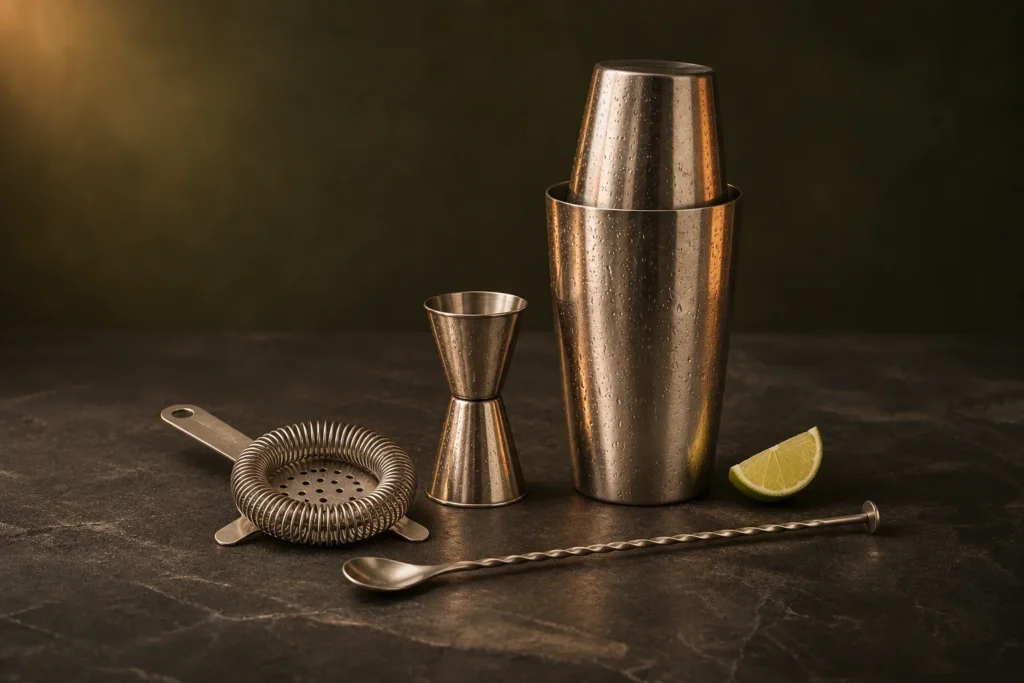
Cocktail shaker, jigger, cocktail strainer and espresso maker. A fine-mesh strainer is optional.
US fluid ounces are rounded; use ml for the IBA reference amounts. The 30 ml espresso measure and 1:1 simple syrup are editorial choices: the IBA does not specify the espresso volume or syrup strength. Five minutes is an estimated mixing time with espresso already brewed and cooled.
Recipe notes by Vodka Magazine · Reference: IBA Espresso Martini. This is a source-based guide, not an in-house taste test.
Why is there little or no foam?
Start with freshly brewed espresso, let it cool, then shake firmly with plenty of ice for 15–20 seconds. Kahlúa’s preparation guide emphasizes fresh espresso and vigorous shaking for the foam. A gentle stir will mix the ingredients but will not give the same texture.
If you have been stirring the drink or using a weak, large mug of filter coffee, change the technique and coffee before changing the vodka. Our guide to shaking, stirring and building cocktails explains how the methods differ.
Can I use cold brew or instant coffee?
They make variations rather than an exact replacement for espresso. Coffee strength and foam can differ considerably. Start with the same small measure of concentrated, cooled coffee and expect a different result; do not replace the espresso with a full mug of coffee. Kahlúa also suggests decaf as an option. Decaf does not make an alcoholic cocktail alcohol-free.
How do I adjust the sweetness?
Make a measured version before changing the ratio. Coffee liqueurs and syrups vary, so record the product and quantity when you adjust it. For a less sweet variation, reduce the added syrup slightly on the next preparation. Keep that variation separate from the reference recipe above.
Which glass and tools do I need?
Use a chilled coupe or cocktail glass that comfortably holds the drink after shaking. There is no ice in the serving glass. A shaker and a measuring tool are the useful purchases here; a matching collection of decorative tools is optional. See our home bar equipment guide for a practical starting kit.
Other coffee-liqueur cocktails
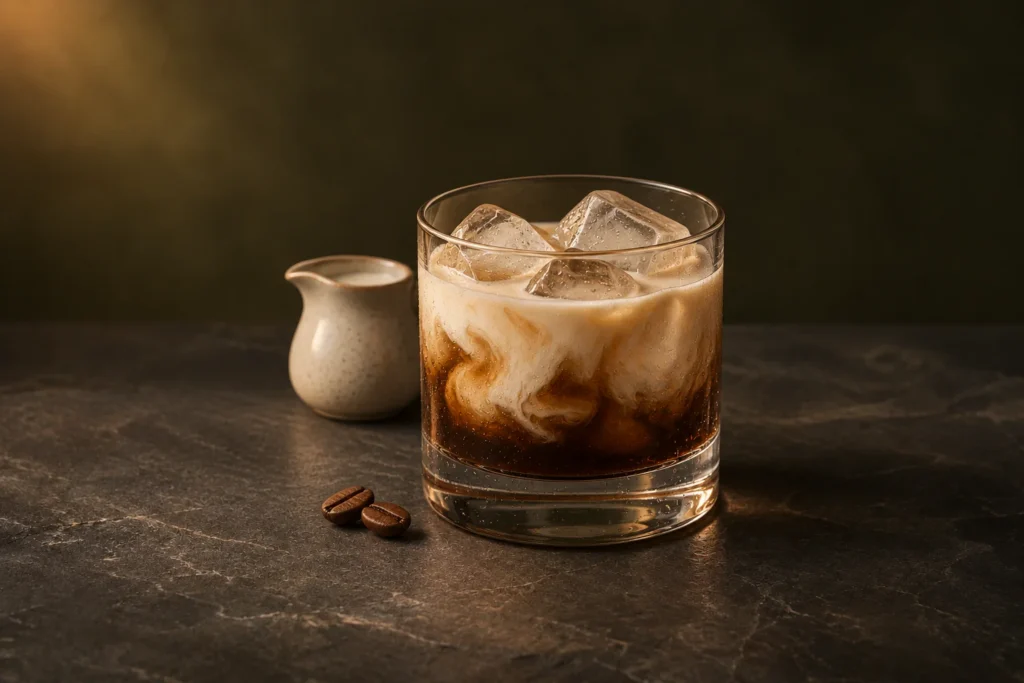
A Black Russian combines vodka and coffee liqueur over ice without espresso or cream. A White Russian adds cream. Those are different drinks with their own measurements, not substitutions inside this recipe.
Sources and serving note
The quantities and three-bean garnish come from the IBA recipe. Fresh-coffee, cooling, shaking and optional fine-straining guidance was checked against Kahlúa’s US Espresso Martini guide; its equal-parts recipe uses a different ratio.
Coffee does not reverse alcohol’s effects or make driving safe. See the CDC’s guidance on alcohol and caffeine. For adults 21+.
Sources checked November 17, 2026.
Explore more: cocktail recipes · bar essentials · alcohol and health